
Senior Software Engineer at Veeam USA
How Abhay Arnikar Went from Startup Acquisition to Building AI Tools Used Across the Engineering Team
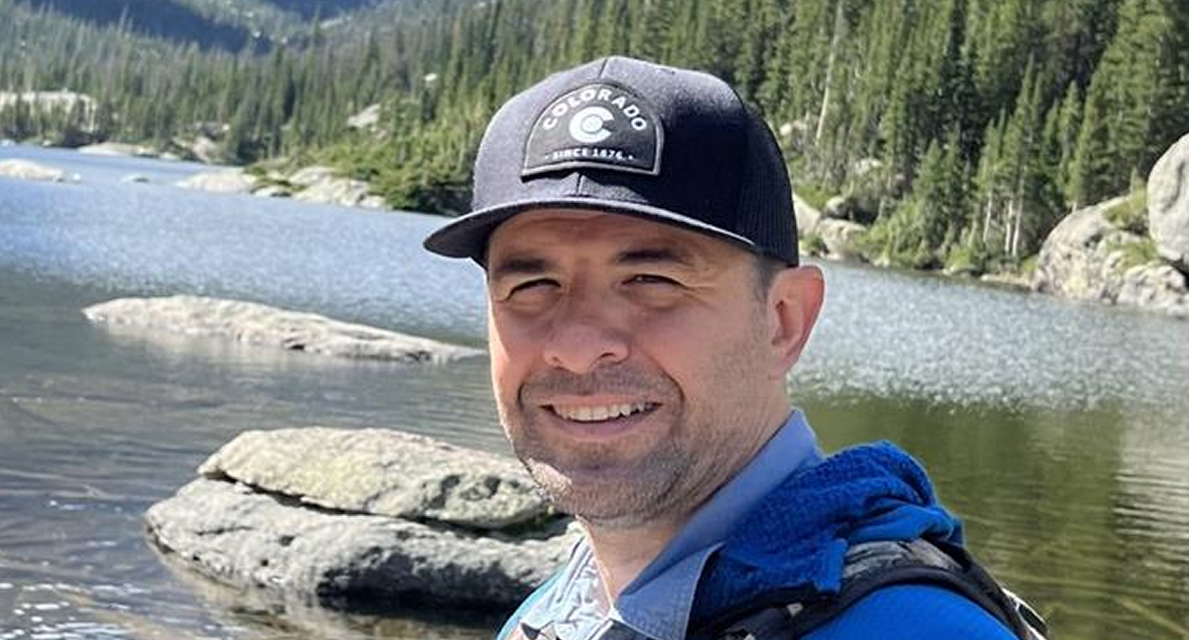
Abhay Arnikar joined Veeam as a Senior Software Engineer through an acquisition. His startup, Alcion, was brought into Veeam in late 2024 to build something that did not yet exist inside the company: a native backup as a service platform. Within months of joining, he was promoted and handed a broader scope, building core infrastructure that external teams across Veeam now depend on.
"The amount of autonomy I have to just execute on my ideas is something I really appreciate about being at Veeam. Whenever I build something, no one comes in and says, why are you doing this? They're always pretty encouraging."
Abhay joined the control plane backend team for Veeam Data Cloud, Veeam's backup as a service platform. At Alcion, he was working within an existing, mature system, while at Veeam he was building base modules from scratch that teams far beyond his own would come to depend on.
What Does It Actually Look Like to Build Core Infrastructure as a Senior Software Engineer at Veeam USA?
When Abhay arrived at Veeam, the first month or two were about finding his footing, working through the early stages of Alcion's acquisition and helping bring its product and customers over to Veeam. It's the kind of chapter that comes with a growing company, bringing in new engineers with fresh perspectives and hard-won experience.
By January 2025, the team had a clear plan, and from that point the work moved quickly. His focus became the subscription layer of Veeam Data Cloud: enabling the creation of customer subscriptions and building the services that connect those subscriptions to Salesforce through Veeam's Commerce Platform (Carp Tech). What he built became the connective tissue between Veeam's commercial systems and the platform customers actually use. The scope brought new challenges beyond code, requiring him to work across multiple teams and time zones while navigating competing priorities from different stakeholders.

The scope of the work had increased, the number of people I had to interact with had increased. There were technical and collaboration challenges that grew as I started working at Veeam. I had enough guidance from my managers to deal with those kinds of scenarios.
Abhay Arnikar
Senior Software Engineer
How Does a Senior Software Engineer at Veeam USA Create Impact Beyond Their Day-to-Day Work?
When Abhay finds a process that slows him down, he builds something to fix it and makes it available to the tech team.
The clearest example is the Claude skills framework he built after Anthropic released Claude Code. As a developer, Abhay was spending significant time on repetitive workflow tasks: creating Jira tickets and writing design documents in Confluence, each step requiring him to switch context and manually enter information that already existed in the conversation he was having with the agent.
He built a set of composable Claude skills that handle all of it automatically. Based on the context of a coding conversation, the framework creates pull requests and Jira tickets automatically, and posts design documents to Confluence when the trade-offs in a solution warrant one. At the end of each two-week sprint, a separate skill cleans up the Jira board, updating ticket statuses without anyone having to touch them manually.
"I've created these skills which automatically create pull requests and tickets based on the context of the conversation. If a ticket doesn't exist, it prompts you to check whether one should be created, then goes ahead and does it after you've planned out what you want to work on."
What started as a personal tool is now used by eight to ten engineers on the team, with a standup feature contributed by a teammate that pulls data from GitHub and Jira to post an async standup summary to Confluence each morning. Abhay built the initial framework and the composable architecture underneath it, and the team is now building on top of it.
How Quickly Does Veeam USA Act When Engineers Suggest New Tools or Ways of Working?
In most engineering organisations, suggesting a new tool means waiting for approval before watching it sit in a backlog, but that has not been Abhay's experience at Veeam.
When Anthropic released Claude-based code reviews, Abhay posted about it on Teams, and within an hour a staff engineer had enabled it for the repositories the team uses.
"I've never worked in an organisation that works so quickly in terms of enabling things or making engineers feel heard. I recommended it and someone went ahead and enabled it."
That speed prompted him to go further, as the team was running multiple AI reviewers on pull requests and he wanted to know which was actually catching the most useful issues. He built a tool that analysed around 100 pull requests on one of the team's repositories, categorising the types of bugs each reviewer caught and measuring the signal quality of each. The findings are now informing a larger question: whether Veeam should build a custom review solution with deeper context from its own design documents and Jira tickets to produce higher quality AI reviews than off-the-shelf tools can provide.
What Is the Culture Like on the Engineering Team at Veeam USA?
Ideas and decisions happen in open Teams channels rather than private messages, which means useful context surfaces in conversations that might otherwise stay within a small group.
"If someone's working on one approach, and another engineer has a suggestion to do things differently, it just surfaces because you're having these conversations in public."
For Abhay, who had worked in smaller, more closed environments before joining Alcion and then Veeam, the shift took some adjustment. Moving from a twenty-person startup to a team of five hundred engineers meant more visibility on everything he posted. Over time, he found the culture of openness more manageable than he had expected. His manager checks in when output drops, asking whether something needs unblocking. The team responds when asked for help, and the culture is straightforward: if you need something, say so.
What Kinds of Learning and Growth Opportunities Are Available to Engineers at Veeam USA?
Veeam covers access to Claude Code and associated tools, as well as conference attendance and learning resources when they are relevant to what an engineer is working on. Abhay attended GopherCon in his first year at Veeam. Looking ahead, his interest has moved toward AI-focused events, which is part of why he relocated from Buffalo, New York to San Jose.
"I wanted to be more exposed to how things are changing with AI in the Bay Area. It's the epicentre of most of the changes happening in AI."
The growth Abhay values most at Veeam comes from the scope of what he is trusted to work on: building from scratch and owning the architecture of something that external teams depend on, with the room to experiment without having to justify every hour spent on it.
Why Join the Engineering Team at Veeam USA?
Veeam gives engineers building real infrastructure the room to go further than their job description. Abhay Arnikar joined through an acquisition and was promoted within his first year, since then building tools that other engineers across the team have adopted into their daily workflows. The control plane work feeds directly into Veeam Data Cloud, a product used by businesses to protect their most critical data. The AI tooling is modern, and the culture is built around public communication and transparency. If you want to build things that matter and be trusted to decide how you build them, this is the environment for it. Go fearlessly forward on our USA team now.
Related content
-

-
Early Careers Ready to start your career? Learn more about our Early Careers opportunities.
-
Corporate Functions Learn more about working in Corporate Functions team at Veeam.
-
Join Us in Romania Join our Bucharest hub and shape the future with the #1 global leader in data resilience.
-
Sales Learn more about working in Sales team at Veeam.
-
Growth Explore what Growth at Veeam could look like for you.
-
Building Impact as an Engineer A Senior Platform Engineer in Pune shares how driving data resilience, innovation, and mentoring makes a real impact at scale.
-
Inclusion We believe in hiring the best people from all walks of life. Learn more about Inclusion at Veeam.
-
Culture Our company culture is important to us. Learn more about how we work at Veeam.
-
Benefits Learn more about our company benefits at Veeam.
-
Join Us in Czechia Be part of the 700+ Veeamers in Czechia driving global innovation in data resilience.
-
Platform Engineer Interview Guide Learn the Veeam interview process for Platform Engineer role, including screening, technical assessment, and final interviews.
-
Backend Developer Interview Guide This guide outlines what to expect and how to bring your best self throughout the interview process.
-
Technology Learn more about working in Technology team at Veeam.
-
C# Developer Interview Guide This guide outlines what to expect and how to bring your best self throughout the interview process.
-
Join Us in Germany Help enterprises across Germany protect what matters most - their data.
-
Empowering Future Tech Talent Hands-on cyber resilience and AI skills reach students across India, helping young talent build future-ready careers.
-
Explore our hubs in India. We’re hiring sales and tech talent across India to go fearlessly forward with the #1 global leader in data and AI trust company.
-
Sales Career Growth at Veeam Loredana's journey shows how sales roles at Veeam offer growth, new challenges, and mentor support from contributor to leader.
-
From Junior to Market Leader Alicja’s story highlights how curiosity, smart career moves, and a supportive team can accelerate progression in sales roles.
-
Join Us in Costa Rica Explore a range of exciting career opportunities at Veeam, where you can apply your skills, make a meaningful contribution, and unlock your full potential.
-
Starting a Career in Tech Sales Bianca’s story shows how onboarding, mentorship, and learning by doing can help you break into tech sales and grow with confidence.
-
Engineers Building AI Impact A Staff Software Engineer shares how owning a core consent system helped shape trusted AI features and real impact at scale.
-
Join Us in the United States Discover innovative hub where you can advance your career, drive business growth, and be part of a team shaping the future of AI.
-
Engineering AI Security at Scale Veeam engineers share how machine learning helps detect ransomware in backup data, improve accuracy, and strengthen customer trust.
-
Site Reliability Career Path Discover tech career growth at Veeam through the eyes of a Senior Site Reliability Engineer. Join a supportive, innovative team.
-
Middle-Senior C# Interview Guide Learn the Veeam interview process for Middle-Senior C# Developer roles, including screening, technical assessment, and final interviews.
-
Securiti AI Explore a variety of job opportunities across different roles, locations, and teams.
-
AI Engineering Careers at Veeam Engineers interview on building new AI tech with tight collaboration.
-
Veeam Internship Program Explore the Veeam Internship Program, offering hands-on experience across diverse teams including Engineering, Marketing, AI, and more.
-
Veeam ViBE Scholarship Program Learn how Veeam invests in education and creates pathways for the next generation of talent.
-
From SDR to Enterprise SDA Discover Allison Elizondo’s transformative journey and learn how she earned international recognition as a VX Trailblazer.
-
Working in Tech at Veeam Prague Denisa Keblová traded journalism for UX design and now leads Veeam Prague's design system and AI prototyping.
-
Dmytro’s Journey at Veeam Poland Learn how his diverse experience prepared him for a impactful tech sales role.
-
From Self-Taught Coder to Front End Developer at Veeam Discover how Dominik Jasek landed a role as a Front End Developer at Veeam Czech Republic.
-
Learning Golang and Launching a Product in Five Months Discover how Fatma Begum transitioned from infrastructure and automation to product engineering at Veeam India.
-
Inside a System Reliability Engineer Role at Veeam An inside look at troubleshooting, monitoring, and problem-solving as a Veeam SRE in Bucharest.
-
Using AI in Job Search & Interviews Discover how our interview process stays human-led — and how you can put AI to work while you research, prep and apply.
-
SDR and Sr. SDR Interview Guide - Costa Rica See what to expect in SDR and Sr. SDR interview rounds in Costa Rica.
-
SDR Interview Guide - EMEA and APJ See what to expect in SDR interview rounds in EMEA and APJ.
-
Veeam Earns Great Place To Work Certification™ 83% of Veeamers say Veeam is a great place to work. See what employees have to say about life at Veeam.
-
Join Us in Poland We’re hiring sales and tech talent across Poland to go fearlessly forward with the #1 global leader in data and AI trust company.
-
Uncapped Commissions in a Fast-Growing Bucharest Team Loredana joined Veeam Bucharest to sell into Africa, inspired by a sales leader she admired.
-
From Teaching French to Leading Sales at Veeam Bucharest Inside Sales Rep Mihai Platon moved from teaching French to sales at Veeam, becoming a multi-time MVP.
-
Annual ESG Report Veeam Releases Annual ESG Report Highlighting Progress Across Environment, Social, and Trust
-
Mika Yamamoto Appointed as Chief Marketing and Customer AI Officer Seasoned business leader will lead global marketing and own the AI framework.
-
Veeam Marks a Decade as a Leader Named Highest in Ability to Execute for the 7th straight time and a Leader for the 10th time in a row
-
The Power of Shared Curiosity Alexandru shares how curiosity and collaboration shape his technology career at Veeam.
-
Perspectives Move Us Forward Discover how heritage, curiosity and different perspectives shape one sales leader’s experience.
-
Inside Sales at Veeam See how uncapped commission, customer focus and team support shape an inside sales career in Bucharest.
-
Scaling Security at Veeam USA See how one Technical Program Manager uses AI to bring a fast-growing global security team onto one way of working.
-
Veeam is Great Place To Work® Certified™ in Romania Hear from sales employees about the people, career growth and work experience they value at Veeam Romania.


































Sign up for job alerts
Don't see what you’re looking for? Sign up and we'll notify you when roles become available.
Sign Up