
C# Developer Interview Guide

Start Your Interview Journey
We’re excited you’re exploring this opportunity, and this guide is here to help you feel prepared and confident. It outlines what to expect and how to bring your best self throughout the process.
Interviews are a chance for us to learn about your background and perspective—and for you to explore what life here is like. Our aim is to simulate the kinds of conversations and challenges you'd face as part of our engineering team.

Preparing for Online Interviews
- Install Microsoft Teams for the best experience. If that’s not possible, use Chrome or Edge.
- Test your webcam and microphone in advance.
- A headset can improve audio quality.
- Choose a quiet space where you can focus.
- If something isn’t clear, ask - we see interviews as a two-way conversation.
- For guidance on using AI responsibly in your job search and interviews, review our AI FAQ
Our C# Hiring Philosophy
We’re looking for engineers with strong core concepts who can apply object-oriented and cloud-native principles across languages and systems.
You will build software with security in mind from the start—thinking proactively about protecting code and infrastructure. You’ll focus on simple, effective solutions, avoiding unnecessary complexity while designing for scalability and performance.
You’ll work on real engineering challenges such as distributed systems, API design, and system reliability. We’re looking for people who are curious, humble, collaborative, and willing to share knowledge, take initiative, and solve problems together.
We consider candidates at Junior, Middle, Experienced, and Senior levels. Your role and grade will be determined based on your performance in our technical interview process and the strengths you demonstrate.
Interview Rounds
Quick note: the interview length and order can vary slightly depending on the location of the hiring process, but you’ll always know what to expect at each step.
- Introduce Yourself: Prepare a brief summary of your background and experience. Be ready to share why you’re open to new opportunities and what you’re looking for in your next role.
- Discuss Technical Challenges: Reflect on the most technically challenging problems you’ve faced in the last three years. Be prepared to explain the situation, its impact, and your solution.
- Review Core Topics: Refresh your knowledge of C#, .NET (architecture, memory management, garbage collection), algorithms, data structures, concurrency, async, and multithreaded programming.
- Put Your Development Principles into Practice: Be ready to discuss key principles such as SOLID, design patterns, and best practices.
- Explain Your Reasoning: Practice clearly articulating your thought process and solutions, both in code and discussion.
- Ask for Clarity: Feel free to ask your interviewer to repeat or clarify questions. Clear communication is important, and your comfort matters to us.
Focus: Demonstrate your foundational skills with 9 multiple-choice questions (2–5 minutes each) and 4 coding tasks (10–15 minutes each). Time is limited for the entire test, but you can revisit and update your answers. Concentrate on language knowledge, data structures and algorithms, reliability, and problem-solving—show how you apply these skills in practical scenarios.
Focus: This stage is about getting to know you better - no technical questions - just a conversation to understand your background, motivations, career interests, and preferences.
Focus: Apply your .NET and C# expertise to real-world technical challenges, covering topics such as .NET internals, memory management, garbage collection, async programming, and thread synchronization. We’re interested in how you explain your reasoning and propose solutions—even if you’re unfamiliar with a specific built-in method.
You’ll also demonstrate your understanding of data structures, algorithms, and core software design principles. The interview takes place on CoderPad, where you’ll tackle technical problems live.
We’re looking not just for correct answers, but for clear communication, collaboration, and insight into your thought process. Feel free to ask clarifying questions or discuss alternative solutions—the goal is to see your practical approach to problem-solving, not perfection.
How to Prepare:

Final Takeaway
This is a two-way conversation: it’s your opportunity to see if this role helps you power forward in your career. Your recruiter is here to support you every step of the way and will follow up with next steps—whether that’s an offer or useful insights.
Related content
-

-
Early Careers Ready to start your career? Learn more about our Early Careers opportunities.
-
Corporate Functions Learn more about working in Corporate Functions team at Veeam.
-
Join Us in Romania Join our Bucharest hub and shape the future with the #1 global leader in data resilience.
-
Sales Learn more about working in Sales team at Veeam.
-
Growth Explore what Growth at Veeam could look like for you.
-
Building Impact as an Engineer A Senior Platform Engineer in Pune shares how driving data resilience, innovation, and mentoring makes a real impact at scale.
-
Inclusion We believe in hiring the best people from all walks of life. Learn more about Inclusion at Veeam.
-
Culture Our company culture is important to us. Learn more about how we work at Veeam.
-
Benefits Learn more about our company benefits at Veeam.
-
Join Us in Czechia Be part of the 700+ Veeamers in Czechia driving global innovation in data resilience.
-
Platform Engineer Interview Guide Learn the Veeam interview process for Platform Engineer role, including screening, technical assessment, and final interviews.
-
Backend Developer Interview Guide This guide outlines what to expect and how to bring your best self throughout the interview process.
-
Technology Learn more about working in Technology team at Veeam.
-
Join Us in Germany Help enterprises across Germany protect what matters most - their data.
-
Empowering Future Tech Talent Hands-on cyber resilience and AI skills reach students across India, helping young talent build future-ready careers.
-
Explore our hubs in India. We’re hiring sales and tech talent across India to go fearlessly forward with the #1 global leader in data and AI trust company.
-
Sales Career Growth at Veeam Loredana's journey shows how sales roles at Veeam offer growth, new challenges, and mentor support from contributor to leader.
-
From Junior to Market Leader Alicja’s story highlights how curiosity, smart career moves, and a supportive team can accelerate progression in sales roles.
-
Join Us in Costa Rica Explore a range of exciting career opportunities at Veeam, where you can apply your skills, make a meaningful contribution, and unlock your full potential.
-
Starting a Career in Tech Sales Bianca’s story shows how onboarding, mentorship, and learning by doing can help you break into tech sales and grow with confidence.
-
Engineers Building AI Impact A Staff Software Engineer shares how owning a core consent system helped shape trusted AI features and real impact at scale.
-
Join Us in the United States Discover innovative hub where you can advance your career, drive business growth, and be part of a team shaping the future of AI.
-
Engineering AI Security at Scale Veeam engineers share how machine learning helps detect ransomware in backup data, improve accuracy, and strengthen customer trust.
-
Site Reliability Career Path Discover tech career growth at Veeam through the eyes of a Senior Site Reliability Engineer. Join a supportive, innovative team.
-
Middle-Senior C# Interview Guide Learn the Veeam interview process for Middle-Senior C# Developer roles, including screening, technical assessment, and final interviews.
-
Securiti AI Explore a variety of job opportunities across different roles, locations, and teams.
-
AI Engineering Careers at Veeam Engineers interview on building new AI tech with tight collaboration.
-
Veeam Internship Program Explore the Veeam Internship Program, offering hands-on experience across diverse teams including Engineering, Marketing, AI, and more.
-
Veeam ViBE Scholarship Program Learn how Veeam invests in education and creates pathways for the next generation of talent.
-
From SDR to Enterprise SDA Discover Allison Elizondo’s transformative journey and learn how she earned international recognition as a VX Trailblazer.
-
Working in Tech at Veeam Prague Denisa Keblová traded journalism for UX design and now leads Veeam Prague's design system and AI prototyping.
-
Dmytro’s Journey at Veeam Poland Learn how his diverse experience prepared him for a impactful tech sales role.
-
From Self-Taught Coder to Front End Developer at Veeam Discover how Dominik Jasek landed a role as a Front End Developer at Veeam Czech Republic.
-
Learning Golang and Launching a Product in Five Months Discover how Fatma Begum transitioned from infrastructure and automation to product engineering at Veeam India.
-
Inside a System Reliability Engineer Role at Veeam An inside look at troubleshooting, monitoring, and problem-solving as a Veeam SRE in Bucharest.
-
Using AI in Job Search & Interviews Discover how our interview process stays human-led — and how you can put AI to work while you research, prep and apply.
-
SDR and Sr. SDR Interview Guide - Costa Rica See what to expect in SDR and Sr. SDR interview rounds in Costa Rica.
-
SDR Interview Guide - EMEA and APJ See what to expect in SDR interview rounds in EMEA and APJ.
-
Veeam Earns Great Place To Work Certification™ 83% of Veeamers say Veeam is a great place to work. See what employees have to say about life at Veeam.
-
Join Us in Poland We’re hiring sales and tech talent across Poland to go fearlessly forward with the #1 global leader in data and AI trust company.
-
Uncapped Commissions in a Fast-Growing Bucharest Team Loredana joined Veeam Bucharest to sell into Africa, inspired by a sales leader she admired.
-
From Teaching French to Leading Sales at Veeam Bucharest Inside Sales Rep Mihai Platon moved from teaching French to sales at Veeam, becoming a multi-time MVP.
-
From Acquisition to AI Innovator at Veeam Abhay joined Veeam via acquisition and built an AI skills framework used team-wide.
-
Annual ESG Report Veeam Releases Annual ESG Report Highlighting Progress Across Environment, Social, and Trust
-
Mika Yamamoto Appointed as Chief Marketing and Customer AI Officer Seasoned business leader will lead global marketing and own the AI framework.
-
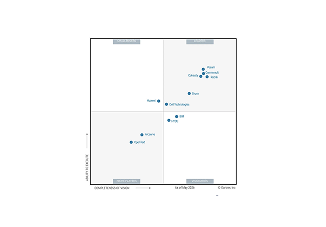
Veeam Marks a Decade as a Leader Named Highest in Ability to Execute for the 7th straight time and a Leader for the 10th time in a row
-
The Power of Shared Curiosity Alexandru shares how curiosity and collaboration shape his technology career at Veeam.
-
Perspectives Move Us Forward Discover how heritage, curiosity and different perspectives shape one sales leader’s experience.
-
Inside Sales at Veeam See how uncapped commission, customer focus and team support shape an inside sales career in Bucharest.
-
Scaling Security at Veeam USA See how one Technical Program Manager uses AI to bring a fast-growing global security team onto one way of working.
-
Veeam is Great Place To Work® Certified™ in Romania Hear from sales employees about the people, career growth and work experience they value at Veeam Romania.

































Sign up for job alerts
Don't see what you’re looking for? Sign up and we'll notify you when roles become available.
Sign Up