
What It’s Like to Build on Brand-New AI Tech
(and Do It as a Team)
If you’re the kind of engineer who likes the frontier—where the spec is still evolving and the “right way” is something you figure out together—this one’s for you. In this chat, Ben and Sirish talk about what it’s been like building with emerging AI tech: pairing complementary strengths, keeping feedback loops tight with quick “let’s sync?” moments, and using modern AI tools to ramp up fast and ship with confidence (even while the ground keeps moving).
Tell us a bit about yourself
Ben: I joined Veeam in October 2024. Over the past 8 years I've built my career as a backend software engineer, working across a range of companies and startups. That variety has given me broad exposure to different engineering cultures and challenges, with a particular focus on distributed systems. When I heard about the AI backend engineering position at Veeam, I jumped at the opportunity.
Sirish: My career has really followed the evolution of storage. I started out at legacy storage companies, moved into a cloud storage startup, and joined Veeam in 2020. Looking back, each step tracked the industry forward - from traditional on-prem systems, to cloud-native, and now into AI-powered data protection. After a few years deep in cloud and Kubernetes, I was ready for something new. I started noticing what AI was becoming capable of and got genuinely curious - both about the technology and about how I could grow with it. The timing aligned perfectly with a need on the Veeam Data Cloud Intelligence team, and when I looked at the work, it clicked immediately. I'd spent my career building interfaces - CLIs, APIs - the layers that connect systems to the people and tools that use them. MCP, the Model Context Protocol, is essentially that same idea but for AI. It felt like a natural next step, and exactly the kind of thing I'd want to build.
What inspired you to take on the challenge of working with cutting-edge AI technology?
Ben: When I joined, I immediately got to work on the MCP project, which was still relatively young, meaning there was real opportunity to help shape its direction rather than just execute on a plan already set in stone. That was exciting. Sirish, my partner on the MCP team, was incredibly welcoming and got me up to speed quickly, which made a big difference in those early weeks. Honestly though, when I started I was still a bit skeptical about AI, particularly around its capabilities in coding and what a truly good AI product would even look like. In some ways, the MCP project turned out to be the perfect environment to work through that skepticism. We built something I stand behind, and along the way I came to see just how powerful these tools can be when they're used well within a strong team.
Sirish: What made it especially exciting was that AI itself became a tool in my onboarding. Getting up to speed on an unfamiliar codebase can be slow and frustrating, but being able to use AI to explore, ask questions, and understand the architecture quickly was a game changer. It felt like the technology I was building was also helping me build it. Being a greenfield team, there were naturally a lot of unknowns at the start. No established playbook, no well-worn patterns to follow. That uncertainty was real - especially when the technology itself was also moving fast. But the flip side was freedom. We got to decide how we wanted to build, how we wanted to work together, what standards we wanted to set. The uncertainty and the freedom came as a package deal, and I came to really value that.
When did this stop being an idea and become a real, urgent problem to solve?
Ben: There was a specific moment that really crystallized it for me. With an MCP server, you're essentially building an API for AI agents, and the work is very granular at first. You're building one tool at a time, carefully perfecting each individual tool call. We had implemented a suite of tools that allow agents to navigate a subset of our public API, and one day while testing I decided to throw it a random, open-ended question: "Analyze my workloads for any suspicious activity." And it just did it. It "reasoned" about the API, chained together the necessary tool calls on its own, and synthesized a report flagging things like suspicious login activity, unusual policy changes, etc. The technology is evolving so fast that you're constantly discovering what it's actually capable of.
Sirish: That was the moment it stopped being an architectural concept and became something real. I remember thinking - this is why we're building this.
How did you work together?
Ben: Sirish and I turned out to have naturally complementary skill sets, which made the ownership split almost immediately obvious. Sirish started the MCP server before I joined, and when I came on board I took over the Python implementation and drove it to production, building out most of the tools, the security layer, testing, and the middleware layer. The infrastructure side of making this a robust, reliable service was much more Sirish's wheelhouse, so we each gravitated toward what we do best. But we were always willing to jump on a call and bounce ideas off each other when it was useful. That balance of autonomy and openness is what made it work so well. Day to day we worked mostly independently, trusting each other to get our respective pieces done.

That kind of openness made it easy to contribute ideas early and feel like a real partner on the project rather than someone playing catch-up. It set a tone for how we worked together throughout, where both perspectives were valued regardless of who had more context at any given moment
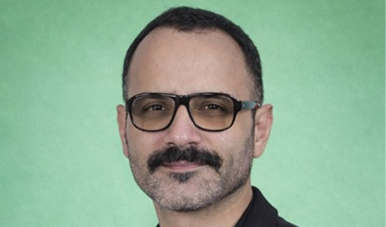
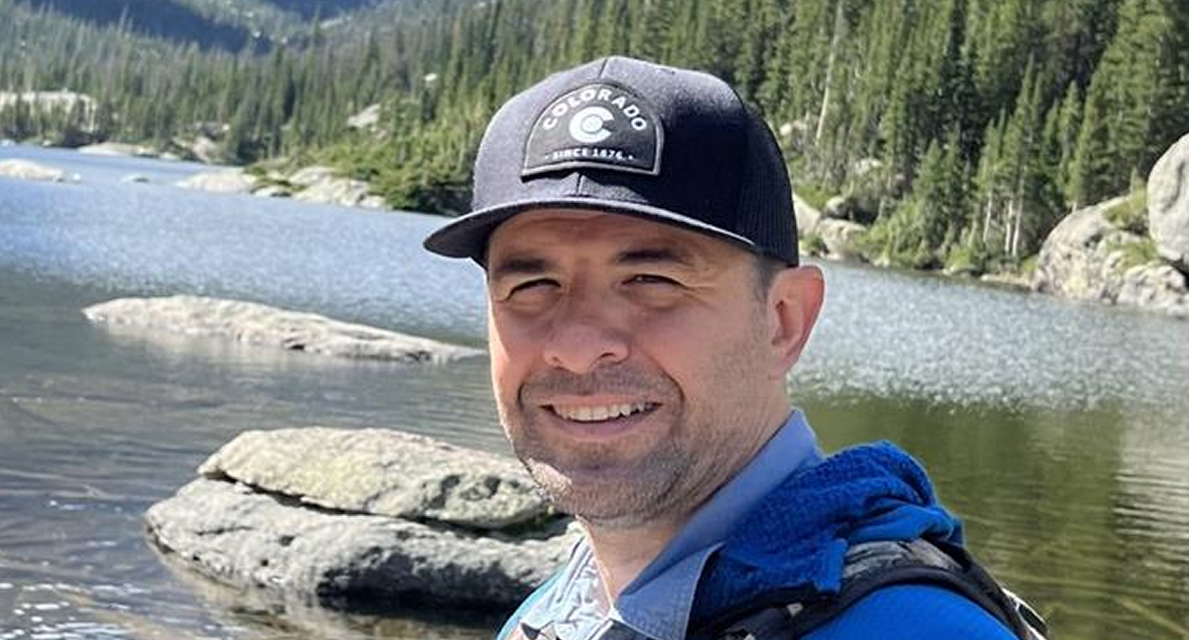
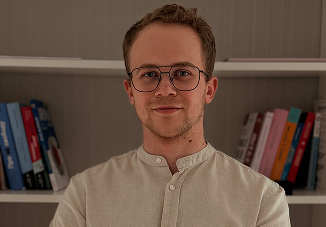
Benjamin Bonenfant
Senior Software Engineer, VDC-AI Engineering
Sirish: We complemented each other really naturally - I gravitated toward architecture and infrastructure, while Benjamin, coming from a strong Python background, took ownership of building out the MCP service and tooling. Early on, I built an initial version of the MCP service and it was pretty messy - Python isn't my strongest language, and it showed. Benjamin came in and cleaned it up without making a big deal of it. That kind of quiet, generous collaboration is hard to find. On the flip side, he regularly reaches out to me when platform changes come up. It goes both ways. There's no ego about who owns what - just a shared interest in getting it right. In practice, neither of us felt like our responsibility stopped at our own boundaries. If something needed attention, we both felt accountable for it - regardless of who built it. And great collaboration often looked like two words: "let's sync?"
What does it feel like to work on such new technology?
Ben: Coming in, I had never even heard of the MCP protocol, so getting up to speed on that was one of my first challenges. Sirish was great about always being available to jump on a call and walk me through things, which helped a lot in those early weeks. But honestly, the biggest accelerant for onboarding was the AI coding tools that the Intelligence team was already championing internally. The Veeam codebase is spread across several repos, which can be daunting at first, but with tools like Warp it was no problem. You can practically have a conversation with the codebase, asking things like "where is this functionality implemented?", "why was this design chosen?", "how do these two services interact?" It made getting productive fast so much more achievable.
Sirish: Working on technology this new feels great, but you can't help feeling a little unsettled knowing things are going to change rapidly. The spec you built against today might look different in six months. So there's a constant awareness that you have to stay nimble and not get too attached to the way things are right now.

That's part of what makes it exciting - you're not maintaining something static, you're moving with something alive.
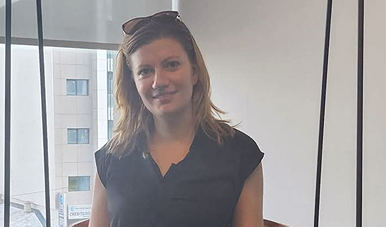
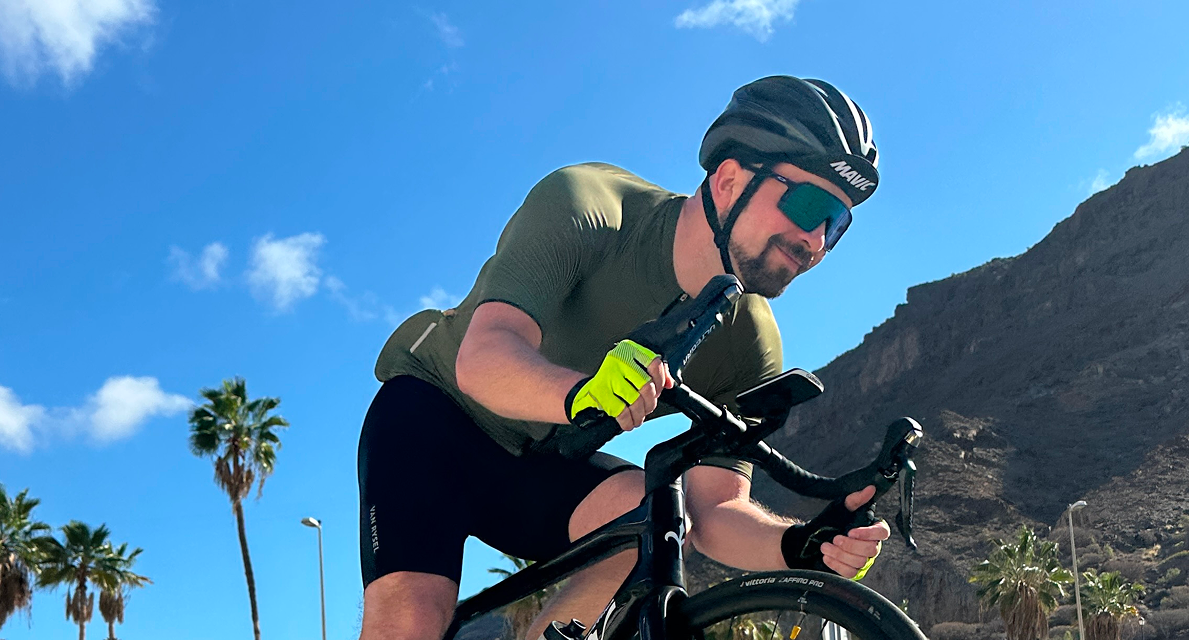
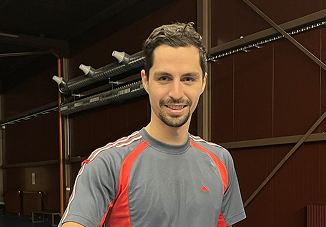
Sirish Bathina
Senior Software Engineer, VDC-AI Engineering
How did this project change you as an engineer?
Ben: The biggest shift was in how I think about AI. I came in skeptical, and working closely with this technology every day helped me see how powerful of a tool it is. Beyond that, working with fast-moving technology taught me to get comfortable with uncertainty. The MCP protocol was young when I joined, best practices were still forming, and things were changing quickly. Learning to make good decisions without a stable floor underneath you is something I'll carry into everything I do next.
Sirish: Working in this space has amplified something that's always been part of how I operate - I move fast and like to get things done. But AI has become a genuine accelerant for that. The biggest mindset shift has been learning to trust it more. Early on you're skeptical, you double-check everything. But the more you work with it, the more you develop an intuition for when to lean on it and when to verify. Engineers who learn to work fluidly with AI are just going to operate at a different level - and I feel like I'm starting to get there.
Why should an engineer join Veeam?
Ben: In my experience with Veeam so far, the team is wonderful, supportive, friendly, and everyone here has a real drive to ship. There's a genuine sense of everyone pulling in the same direction, working together to bring ideas to fruition.
Sirish: As AI grows, data protection and security become more critical, not less. We're building the tools that make that possible, at the intersection of AI and data protection, which is one of the most interesting places to be right now. You get great tools, genuinely hard problems, a strong team, and a remote-friendly environment. For an engineer who wants to build things that matter and move fast, I think Veeam is worth a serious look.
What makes the work meaningful to you?
Ben: Honestly, it comes down to the people. Building alongside coworkers who care about what they're making creates a dynamism that's hard to put into words but easy to feel. That energy is what keeps me motivated and makes the work feel worthwhile.
Sirish: What makes the work meaningful to me comes down to two things: being on the frontier, where the answers aren't all written down yet and you're learning constantly - and ownership. When you can point to something and say "I built that, I made those decisions" - that's deeply satisfying. Not in an ego way, but in the sense that your work has a real identity and a real impact.
What do you like to do in your free time?
Ben: I'm a big movie watcher. I also co-run a local book club — we recently finished Moby-Dick, which was quite the undertaking. And like most Bay Area people I try to get out into California nature as much as I can. My partner and I are actually heading down to Big Sur next month, which I'm really looking forward to.
Sirish: Outside of work I stay pretty busy. Golf is a big one - there's something about the combination of focus and being outdoors that I really enjoy. I do CrossFit regularly, which is a good counterbalance to sitting at a desk. I love cooking, watching movies, and reading. And lately I've been trying to get into photography - still very much a beginner, but it's been a fun new creative outlet to explore.
Want to build on the AI frontier?
Looking for software engineering work that sits at the intersection of AI, developer tooling, security, and data protection? Explore our engineering roles and tech careers, and join the team building real-world AI systems that ship.
Related content
-

-
Early Careers Ready to start your career? Learn more about our Early Careers opportunities.
-
Corporate Functions Learn more about working in Corporate Functions team at Veeam.
-
Join Us in Romania Join our Bucharest hub and shape the future with the #1 global leader in data resilience.
-
Sales Learn more about working in Sales team at Veeam.
-
Growth Explore what Growth at Veeam could look like for you.
-
Building Impact as an Engineer A Senior Platform Engineer in Pune shares how driving data resilience, innovation, and mentoring makes a real impact at scale.
-
Inclusion We believe in hiring the best people from all walks of life. Learn more about Inclusion at Veeam.
-
Culture Our company culture is important to us. Learn more about how we work at Veeam.
-
Benefits Learn more about our company benefits at Veeam.
-
Join Us in Czechia Be part of the 700+ Veeamers in Czechia driving global innovation in data resilience.
-
Platform Engineer Interview Guide Learn the Veeam interview process for Platform Engineer role, including screening, technical assessment, and final interviews.
-
Backend Developer Interview Guide This guide outlines what to expect and how to bring your best self throughout the interview process.
-
Technology Learn more about working in Technology team at Veeam.
-
C# Developer Interview Guide This guide outlines what to expect and how to bring your best self throughout the interview process.
-
Join Us in Germany Help enterprises across Germany protect what matters most - their data.
-
Empowering Future Tech Talent Hands-on cyber resilience and AI skills reach students across India, helping young talent build future-ready careers.
-
Explore our hubs in India. We’re hiring sales and tech talent across India to go fearlessly forward with the #1 global leader in data and AI trust company.
-
Sales Career Growth at Veeam Loredana's journey shows how sales roles at Veeam offer growth, new challenges, and mentor support from contributor to leader.
-
From Junior to Market Leader Alicja’s story highlights how curiosity, smart career moves, and a supportive team can accelerate progression in sales roles.
-
Join Us in Costa Rica Explore a range of exciting career opportunities at Veeam, where you can apply your skills, make a meaningful contribution, and unlock your full potential.
-
Starting a Career in Tech Sales Bianca’s story shows how onboarding, mentorship, and learning by doing can help you break into tech sales and grow with confidence.
-
Engineers Building AI Impact A Staff Software Engineer shares how owning a core consent system helped shape trusted AI features and real impact at scale.
-
Join Us in the United States Discover innovative hub where you can advance your career, drive business growth, and be part of a team shaping the future of AI.
-
Engineering AI Security at Scale Veeam engineers share how machine learning helps detect ransomware in backup data, improve accuracy, and strengthen customer trust.
-
Site Reliability Career Path Discover tech career growth at Veeam through the eyes of a Senior Site Reliability Engineer. Join a supportive, innovative team.
-
Middle-Senior C# Interview Guide Learn the Veeam interview process for Middle-Senior C# Developer roles, including screening, technical assessment, and final interviews.
-
Securiti AI Explore a variety of job opportunities across different roles, locations, and teams.
-
Veeam Internship Program Explore the Veeam Internship Program, offering hands-on experience across diverse teams including Engineering, Marketing, AI, and more.
-
Veeam ViBE Scholarship Program Learn how Veeam invests in education and creates pathways for the next generation of talent.
-
From SDR to Enterprise SDA Discover Allison Elizondo’s transformative journey and learn how she earned international recognition as a VX Trailblazer.
-
Working in Tech at Veeam Prague Denisa Keblová traded journalism for UX design and now leads Veeam Prague's design system and AI prototyping.
-
Dmytro’s Journey at Veeam Poland Learn how his diverse experience prepared him for a impactful tech sales role.
-
From Self-Taught Coder to Front End Developer at Veeam Discover how Dominik Jasek landed a role as a Front End Developer at Veeam Czech Republic.
-
Learning Golang and Launching a Product in Five Months Discover how Fatma Begum transitioned from infrastructure and automation to product engineering at Veeam India.
-
Inside a System Reliability Engineer Role at Veeam An inside look at troubleshooting, monitoring, and problem-solving as a Veeam SRE in Bucharest.
-
Using AI in Job Search & Interviews Discover how our interview process stays human-led — and how you can put AI to work while you research, prep and apply.
-
SDR and Sr. SDR Interview Guide - Costa Rica See what to expect in SDR and Sr. SDR interview rounds in Costa Rica.
-
SDR Interview Guide - EMEA and APJ See what to expect in SDR interview rounds in EMEA and APJ.
-
Veeam Earns Great Place To Work Certification™ 83% of Veeamers say Veeam is a great place to work. See what employees have to say about life at Veeam.
-
Join Us in Poland We’re hiring sales and tech talent across Poland to go fearlessly forward with the #1 global leader in data and AI trust company.
-
Uncapped Commissions in a Fast-Growing Bucharest Team Loredana joined Veeam Bucharest to sell into Africa, inspired by a sales leader she admired.
-
From Teaching French to Leading Sales at Veeam Bucharest Inside Sales Rep Mihai Platon moved from teaching French to sales at Veeam, becoming a multi-time MVP.
-
From Acquisition to AI Innovator at Veeam Abhay joined Veeam via acquisition and built an AI skills framework used team-wide.
-
Annual ESG Report Veeam Releases Annual ESG Report Highlighting Progress Across Environment, Social, and Trust
-
Mika Yamamoto Appointed as Chief Marketing and Customer AI Officer Seasoned business leader will lead global marketing and own the AI framework.
-
Veeam Marks a Decade as a Leader Named Highest in Ability to Execute for the 7th straight time and a Leader for the 10th time in a row
-
The Power of Shared Curiosity Alexandru shares how curiosity and collaboration shape his technology career at Veeam.
-
Perspectives Move Us Forward Discover how heritage, curiosity and different perspectives shape one sales leader’s experience.
-
Inside Sales at Veeam See how uncapped commission, customer focus and team support shape an inside sales career in Bucharest.
-
Scaling Security at Veeam USA See how one Technical Program Manager uses AI to bring a fast-growing global security team onto one way of working.
-
Veeam is Great Place To Work® Certified™ in Romania Hear from sales employees about the people, career growth and work experience they value at Veeam Romania.




























Sign up for job alerts
Don't see what you’re looking for? Sign up and we'll notify you when roles become available.
Sign Up